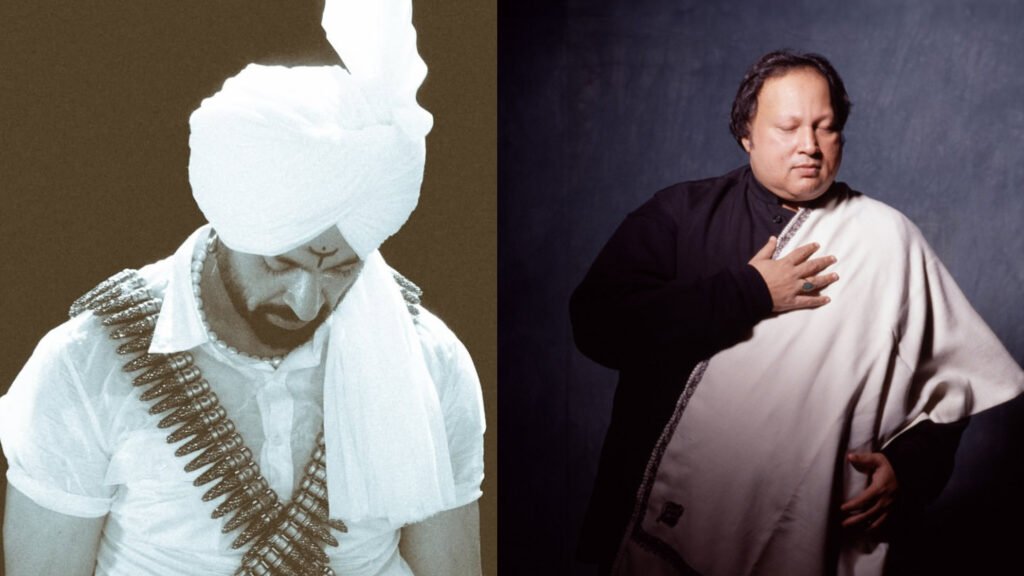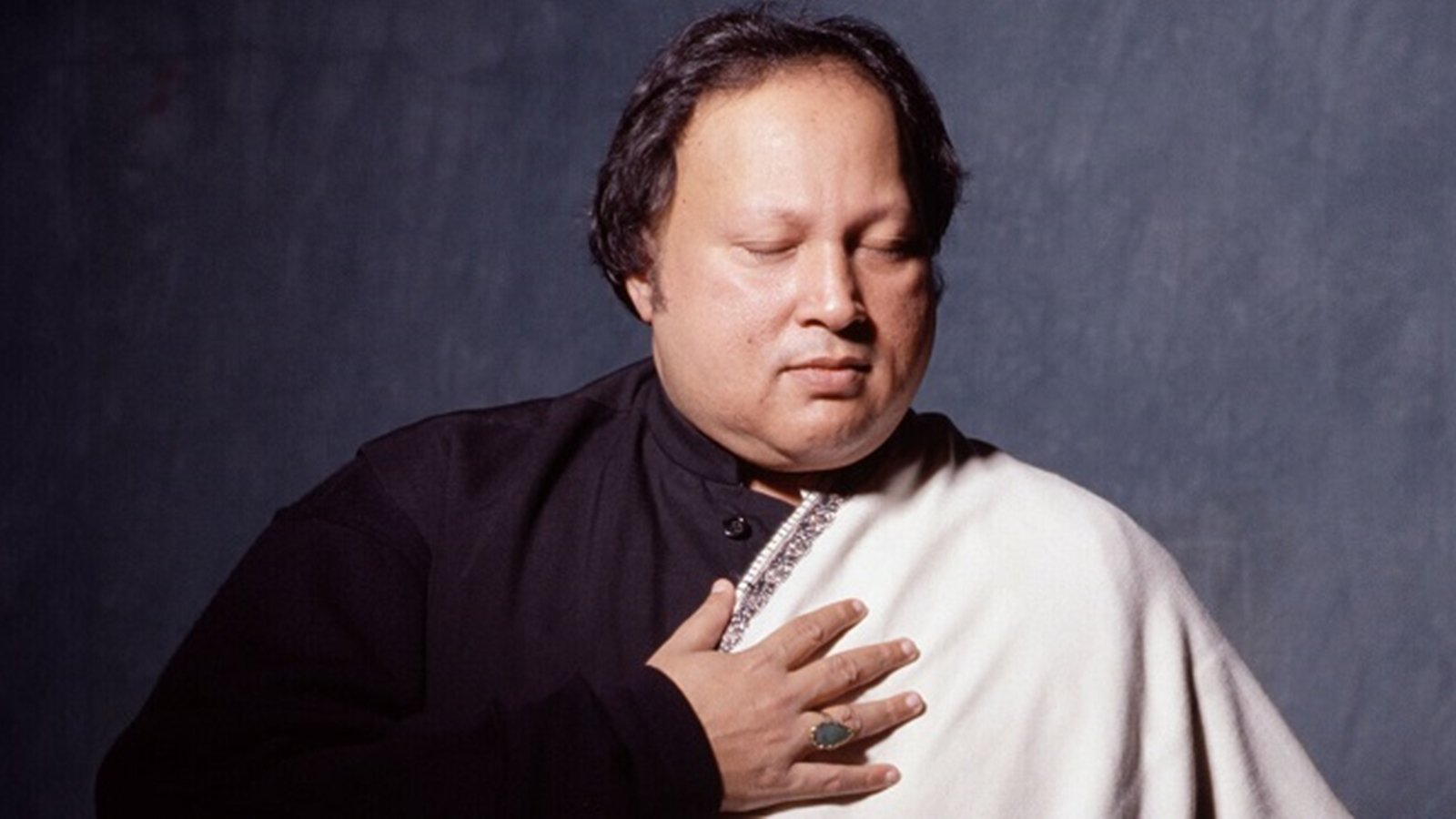
Lahore: Nearly three decades after his passing, the voice of Ustad Nusrat Fateh Ali Khan continues to echo far beyond the traditional boundaries of Qawwali, with tributes pouring in on the 29th death anniversary of the legendary Pakistani singer.
Nusrat Fateh Ali Khan, widely regarded as one of the most influential Qawwali performers in history, was remembered on Sunday for his extraordinary contribution to music and his role in taking the centuries-old Sufi musical tradition to audiences across the globe.
Born into a renowned musical family in Faisalabad, Nusrat was introduced to music from an early age. Years of rigorous training helped him develop a distinctive vocal style that would eventually make him one of the most recognisable voices in South Asian music.
What set Nusrat apart was not simply the power of his voice, but the emotion he brought to every performance. His ability to move effortlessly between intensity, devotion and longing gave his Qawwali a universal appeal and helped introduce the genre to listeners who had never encountered it before.
From traditional gatherings to the world stage
Nusrat played a major role in taking Qawwali beyond traditional gatherings and into international concert halls.
His performances across Pakistan, India, Europe and the United States attracted audiences from diverse cultural backgrounds, many of whom were experiencing Qawwali for the first time.
Through his powerful vocals and deeply spiritual performances, Nusrat created a connection with listeners that went beyond language and geography.
His influence also extended well beyond Qawwali. He became a prominent voice in Hamd and Naat and demonstrated his versatility through film music, contributing songs to Pakistani and Indian productions.
Many of his film songs continue to be heard and appreciated by audiences decades after they were recorded.
A voice that refused to fade
Nusrat Fateh Ali Khan died in London on August 16, 1997, at the age of 48.
His death marked the loss of one of the most distinctive voices in South Asian music, but it did little to diminish his influence.
Almost 30 years later, his recordings continue to attract new listeners, while musicians and singers still study his vocal techniques, compositions and distinctive approach to Qawwali.
For generations of artists, Nusrat remains more than a celebrated singer. His work represents a bridge between traditional South Asian music and a global audience.
His voice carried the depth of devotion, the intensity of love and the pain of longing, giving his performances an emotional quality that continues to resonate with listeners.
As the 29th anniversary of his death was observed, tributes once again highlighted the enduring legacy of an artist whose music crossed borders long before the world became as connected as it is today.
Nusrat Fateh Ali Khan may have left the stage in 1997, but his voice remains very much alive — in Qawwali gatherings, in recordings listened to around the world and in the work of countless musicians influenced by his remarkable legacy.