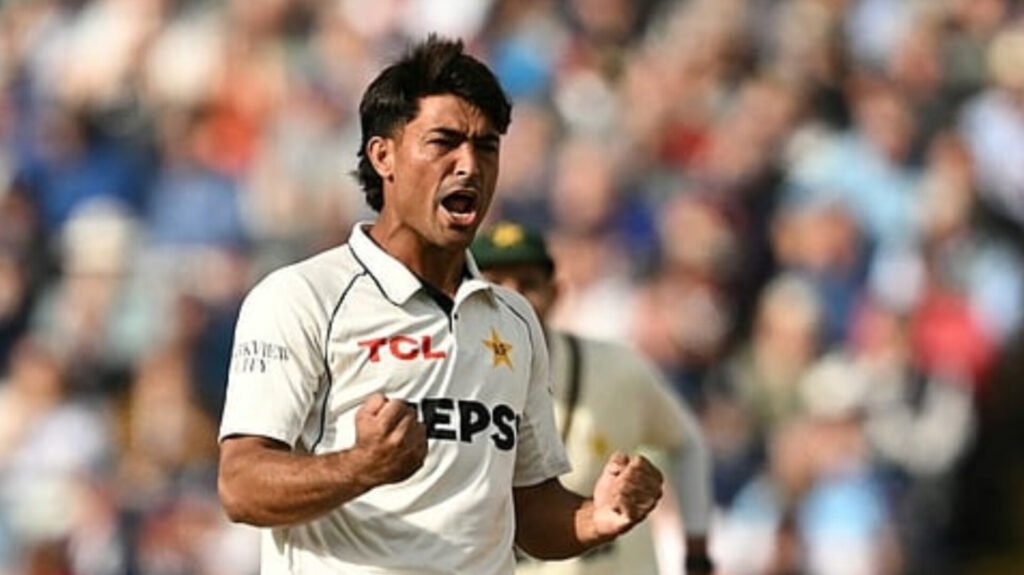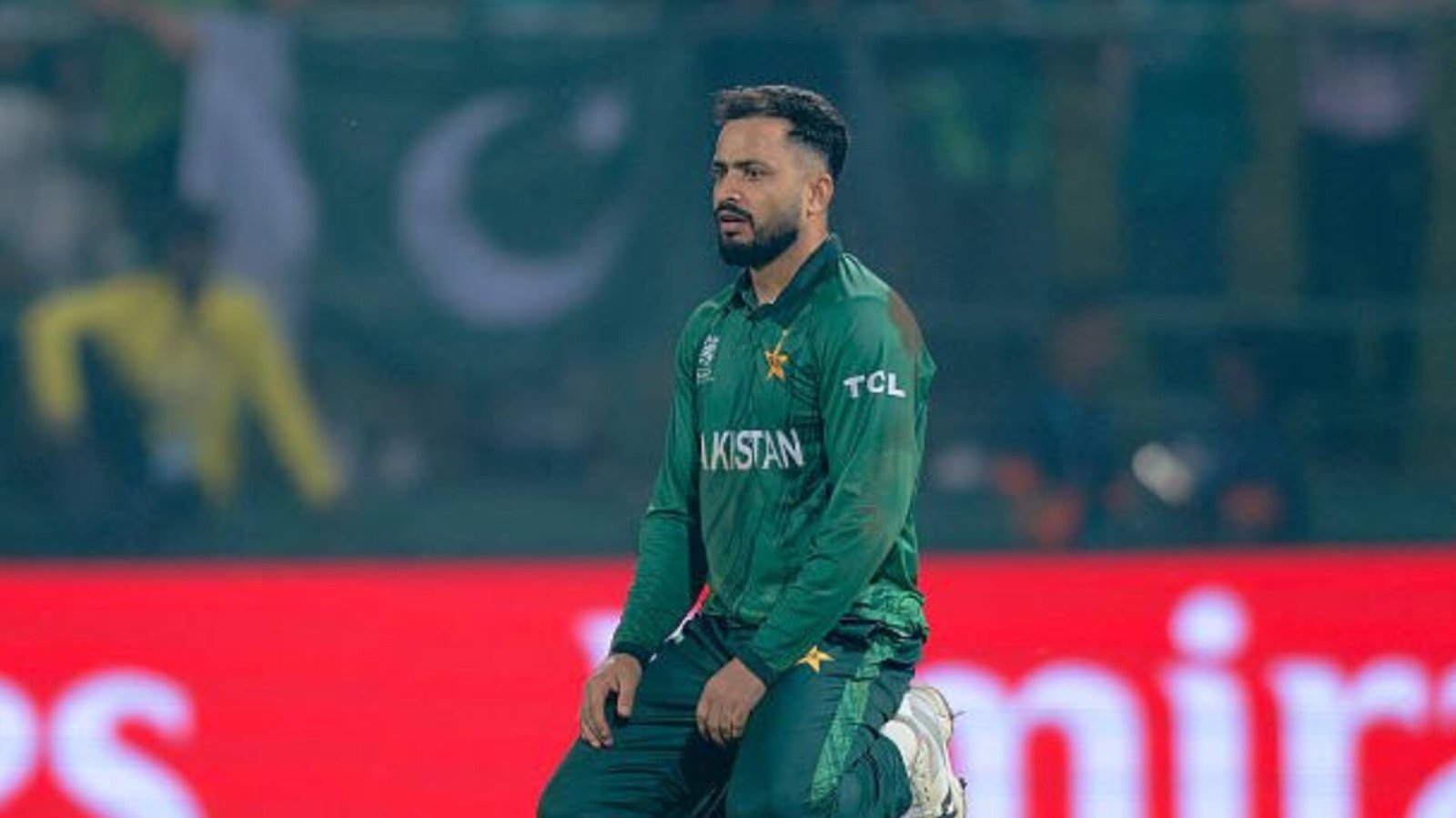
Pakistan all-rounder Mohammad Nawaz has been sanctioned by the International Cricket Council (ICC) after testing positive for a cannabis-related substance during the 2026 ICC Men’s T20 World Cup.
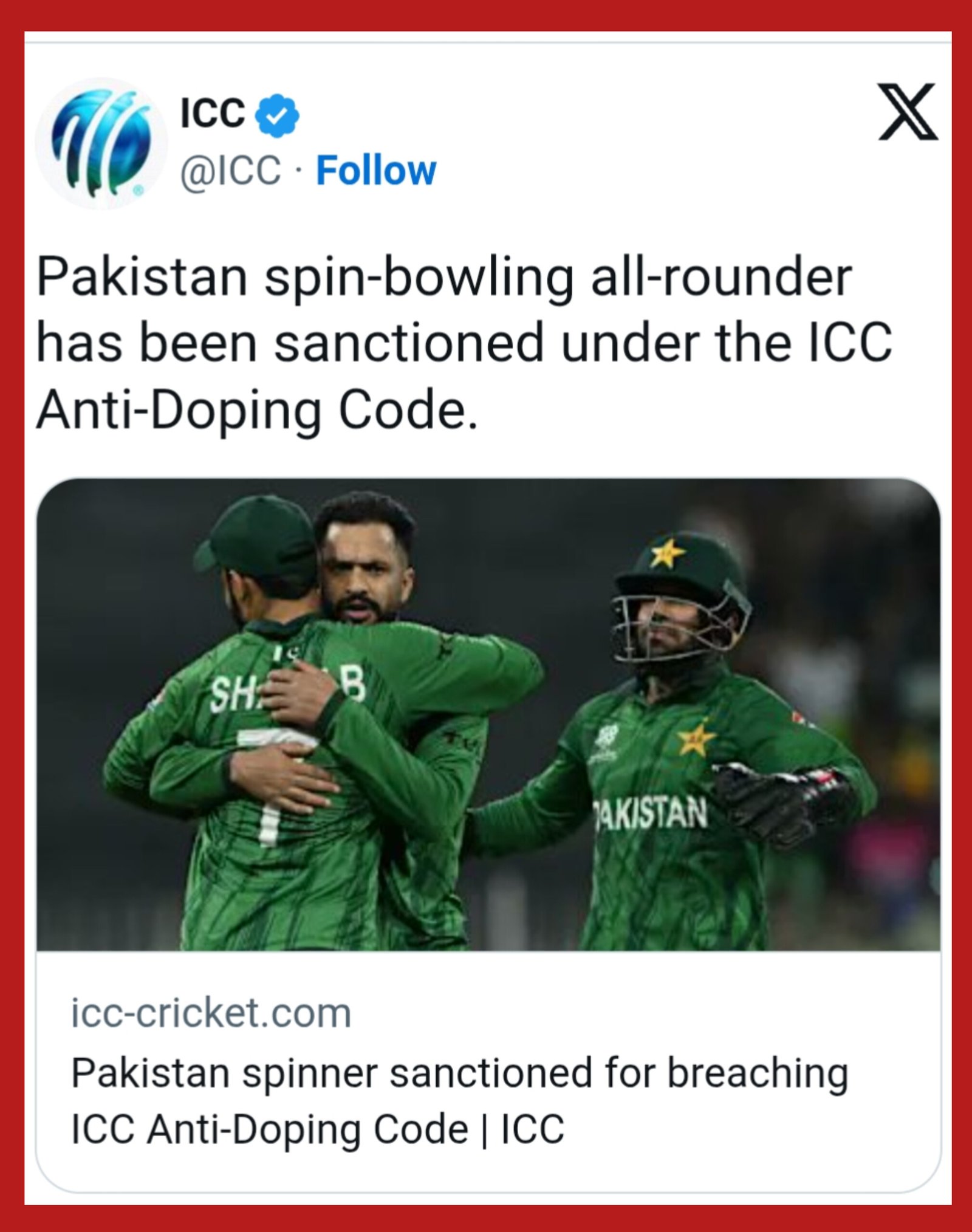
According to the ICC, the 32-year-old cricketer tested positive for Carboxy-THC, a metabolite of THC, the psychoactive ingredient found in cannabis. The sample was collected following Pakistan’s T20 World Cup match against the Netherlands in Colombo on February 7, 2026.
The ICC stated that Nawaz admitted to the anti-doping rule violation and was able to demonstrate that the substance had been used outside of competition and was not intended to enhance his sporting performance. Based on these findings, the governing body imposed a three-month period of ineligibility.
However, the ban was backdated to May 1, when Nawaz voluntarily accepted a provisional suspension. The ICC also confirmed that the player agreed to participate in a substance abuse rehabilitation programme. As a result, his period of ineligibility was reduced to **one month**, and the provisional suspension he had already served for more than two months was considered sufficient.
The ICC added that Nawaz will not have to serve any further suspension, provided he successfully completes the rehabilitation programme to the satisfaction of the governing body.
Despite the reduced sanction, Nawaz’s results from Pakistan’s match against the Netherlands, as well as all matches played until the start of his provisional suspension on May 1, have been officially disqualified under the ICC Anti-Doping Code.
The Pakistan Cricket Board (PCB) had earlier submitted Nawaz’s medical history to the ICC after reports emerged that he had failed a doping test during the T20 World Cup held in Sri Lanka and India.
Pakistan cricket has witnessed similar cases in the past. Fast bowlers Shoaib Akhtar and Mohammad Asif were banned after failing drug tests ahead of the 2006 ICC Champions Trophy, while former leg-spinner Yasir Shah received a three-month suspension in 2015 after violating anti-doping regulations.