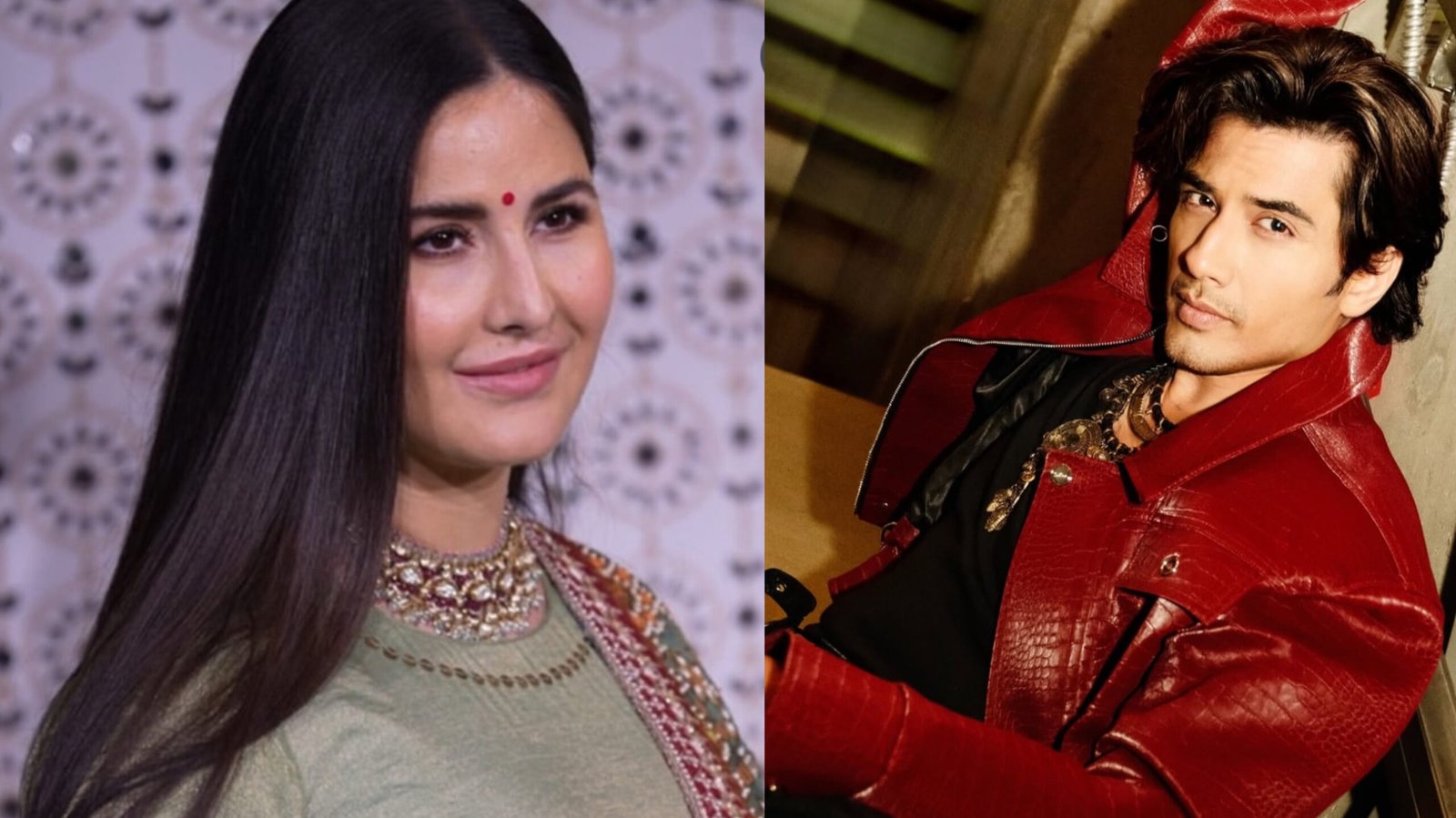
Pakistani actor and singer Ali Zafar has spoken out in support of Bollywood actress Katrina Kaif after she faced criticism and body-shaming comments over her recent public appearance following childbirth.
Katrina and her husband, actor Vicky Kaushal, recently attended the Ambani family’s Ganesh Chaturthi celebrations at Antilia in Mumbai. Katrina appeared in a mint-coloured anarkali suit paired with an intricately embroidered dupatta, along with traditional jewellery and a red bindi. Her appearance received praise from many, although some social media users also made negative comments about her postpartum body and compared her current appearance with older photographs.
The criticism sparked a wider discussion about body shaming and the pressure placed on women, particularly mothers, to quickly return to their pre-pregnancy appearance. Several social media users and women also defended Katrina, pointing out that pregnancy and motherhood naturally bring physical changes and that women should not be judged simply because their bodies change.
Ali Zafar responded to the criticism by asking men to reflect on the way they view and discuss women’s bodies. He said that men should “correct ourselves” and recognise that they cannot fully understand what women experience physically and emotionally. He also stressed that every woman has her own life and should be allowed to live it without being subjected to unnecessary judgment.
Ali and Katrina previously worked together in the 2011 Bollywood film Mere Brother Ki Dulhan. Referring to his former co-star, Ali encouraged people to be more compassionate, understanding and respectful rather than focusing on whether a woman meets society’s expectations of beauty.
His comments have brought renewed attention to the issue of celebrity body shaming, especially the scrutiny women often face after pregnancy. Katrina and Vicky welcomed their first child, a son, in November 2025, and her recent appearance was among her notable public outings since becoming a mother.
The discussion has also highlighted the double standards surrounding ageing, motherhood and appearance, with supporters arguing that a woman’s worth should not be measured by how quickly she returns to her pre-pregnancy body.